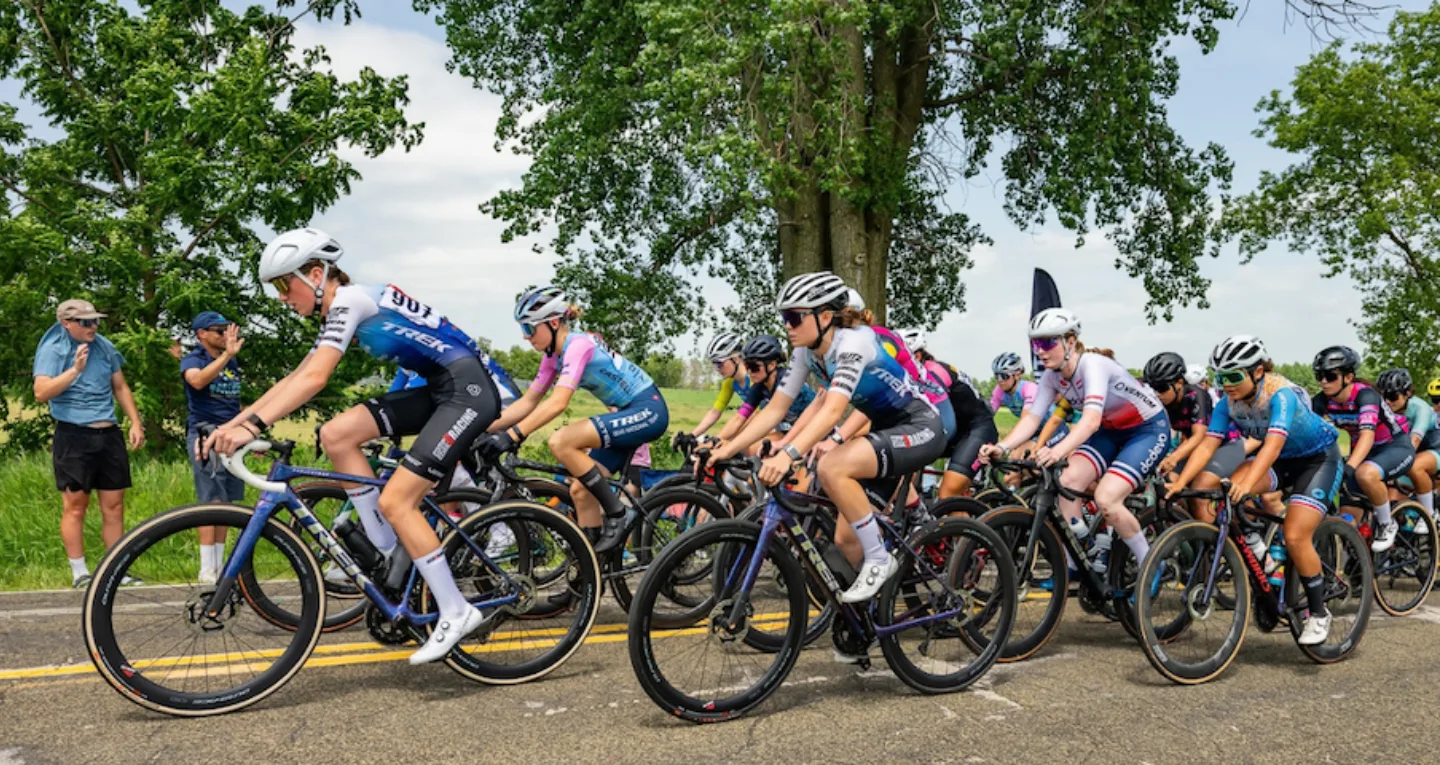
Through its growing partnership with USA Cycling and the launch of the new Bike Instructor Certification Program (BICP) Drop Bar Level 1 Fundamental Skills Instructor Certification, BICP is creating more opportunities for cycling instructors, coaches, ride leaders, and experienced riders to continue learning and serve more of the cycling community.
Whether riders are on singletrack, gravel, or pavement, the goal remains the same: develop knowledgeable leaders and instructors who help riders become safer, more confident, and more capable.
BICP + USA Cycling: Advancing Cycling Education
BICP and USA Cycling have expanded their partnership to strengthen cycling instruction, safety standards, and educational opportunities across the United States.
The partnership brings together BICP’s expertise in skills instruction and USA Cycling’s established coaching pathway, giving both organizations new opportunities to support the quality and consistency of cycling education.
Professional development should continue well beyond earning a certification. Ongoing education gives instructors and coaches the opportunity to strengthen their knowledge, improve how they work with riders, and continue developing professionally.
By working together, BICP and USA Cycling can provide more educational opportunities while supporting consistent professional standards across the cycling community.
As BICP Executive Director Nicole Gerow shared when the partnership was announced:
“By working together, we can reach more riders and elevate the standards of cycling instruction nationwide.”
BICP is now expanding that work into road and gravel cycling with a new professional skills-instruction pathway for drop bar riders.
Introducing BICP Drop Bar Level 1
The new BICP Drop Bar Level 1 Fundamental Skills Instructor Certification brings BICP’s instructor education model to road and gravel cycling.
As participation in road and gravel continues to grow, so does the need for qualified instructors who can do more than lead a group ride. Riders also benefit from instructors who can help them improve bike handling, confidence, decision-making, and overall riding skills.
The certification applies BICP’s established teaching methodology, skills-analysis framework, and progression-based approach to road and gravel environments.
It is designed for cycling instructors, coaches, ride leaders, and experienced riders who want to teach fundamental drop bar cycling skills. The program establishes a consistent approach to leading riders, analyzing riding skills, and teaching effectively.
For current BICP mountain bike instructors, it also provides an opportunity to apply existing teaching knowledge in another area of cycling.
From Leading Riders to Teaching Riders
The BICP Drop Bar pathway follows a clear progression:
Ride Leader → Learn to lead riders safely and effectively
Level 1 Fundamental Skills Instructor → Learn to teach riders safely and effectively
The BICP Drop Bar Ride Leader Certification provides the foundation for Level 1 and is included in the cost of the Level 1 course.
Ride Leader prepares participants to safely plan, organize, communicate, and lead group rides. The curriculum covers:
- Ride Leader Tools
- Pre-Ride Preparation
- Managing Riders During the Ride
- Decision-Making for a Safe Ride
- Communication Guidelines
- Ride Leader Best Practices
These areas establish the safety, leadership, rider assessment, communication, decision-making, and group-management skills participants need before moving into skills instruction.
Level 1 then builds on that foundation by preparing participants to teach riders.
Learning How to Teach
Being able to perform a skill does not automatically mean you know how to teach it. The Drop Bar Level 1 curriculum focuses on four primary areas:
Best Practices: Learn how to prepare for and professionally manage a skills lesson while creating a safe, organized, and positive learning environment.
Introduction to Instruction: Learn how to plan, deliver, evaluate, and adapt instruction for different riders and learning needs.
Skills Analysis: Develop a deeper understanding of how riding skills work by analyzing rider movement, bike movement, and the fundamental elements behind successful skill performance.
Fundamental Skills: Learn how to describe, demonstrate, analyze, progress, and teach the fundamental riding skills used by road and gravel cyclists.
Rather than simply asking riders to copy a movement, BICP instructors learn to understand what the rider and bike are doing, identify why a skill may not be working, and determine what can be adjusted to improve performance.
Fundamental Drop Bar Riding Skills
The riding curriculum is organized into three modules.
Module 1 — Foundations & Bike Control
Develop balance, stability, braking control, bike positioning, and fundamental bike-control skills.
Module 2 — Bike Handling & Cornering
Develop the movement, control, and decision-making needed for confident bike handling and effective cornering.
Module 3 — Climbing & Descending
Develop the techniques riders need to climb and descend with greater control, efficiency, stability, and confidence.
Throughout the certification, participants learn how to describe, demonstrate, analyze, progress, and teach these skills rather than simply perform them.
Already a BICP MTB Instructor?
The new Drop Bar certification gives current BICP MTB Level 1 and Level 2 instructors another opportunity to expand their knowledge and work with riders beyond the trail.
The bike and riding environment may change, but many of the principles behind effective instruction remain the same.
BICP instructors learn to observe riders, analyze movement, communicate effectively, identify errors, provide corrections, select appropriate progressions, manage groups, and create positive learning environments.
Those skills can now carry from singletrack to gravel and pavement.
Current BICP MTB Level 1 and MTB Level 2 members should contact BICP Administration regarding prorated pricing.
Earning the Certification
BICP Drop Bar Level 1 is a certification rather than a course-completion certificate.
Participants are evaluated on their ability to understand, perform, demonstrate, analyze, and teach the BICP curriculum.
Assessment includes:
- Fundamental Elements
- Skill Description
- Demonstrations
- Group Management
- Error Detection and Corrections
- Progressions
- Communication
- Leadership and Professional Conduct
Participants must also complete the required online coursework and quizzes, successfully complete in-person teaching simulations and riding assessments, and meet the BICP Minimum Ride Standard.
Drop Bar Level 1 at a Glance
Certification: BICP Drop Bar Level 1 Fundamental Skills Instructor
Format: 3-day in-person certification plus required online coursework
Cost: $700 USD
Drop Bar Ride Leader: Included with Level 1
Membership: BICP Drop Bar Bike Level 1 membership added with registration
Minimum Age: 14
Experience: Three or more years of relevant cycling experience
First Aid & CPR: Current certification required
Participants should also have strong communication skills, English-language fluency, and a desire to help riders build confidence, improve their skills, and progress safely.
Interested parties can register here.
Expanding the BICP Community
For more than 30 years, BICP has worked to improve the quality and consistency of bike skills instruction. As cycling continues to grow and riders explore new disciplines, BICP is expanding those educational opportunities into more areas of the sport.
Moving into road and gravel instruction does not change BICP’s foundation. It gives instructors new ways to broaden their knowledge, work with different riders, and continue developing professionally.
Mountain bike education remains a core part of BICP, while new pathways such as Drop Bar Level 1 allow the organization to serve a wider range of riders and instructors.
The partnership with USA Cycling supports that effort by connecting skills instruction with coaching education and creating additional opportunities for professional development.
Whether someone is teaching a new rider fundamental skills, leading a gravel group, coaching an athlete, or helping a mountain biker progress on the trail, quality education remains an important part of helping riders develop.
More opportunities to learn and teach means more ways to support riders across the cycling community.