Paracycling Track
Team USA
About Paracycling Track
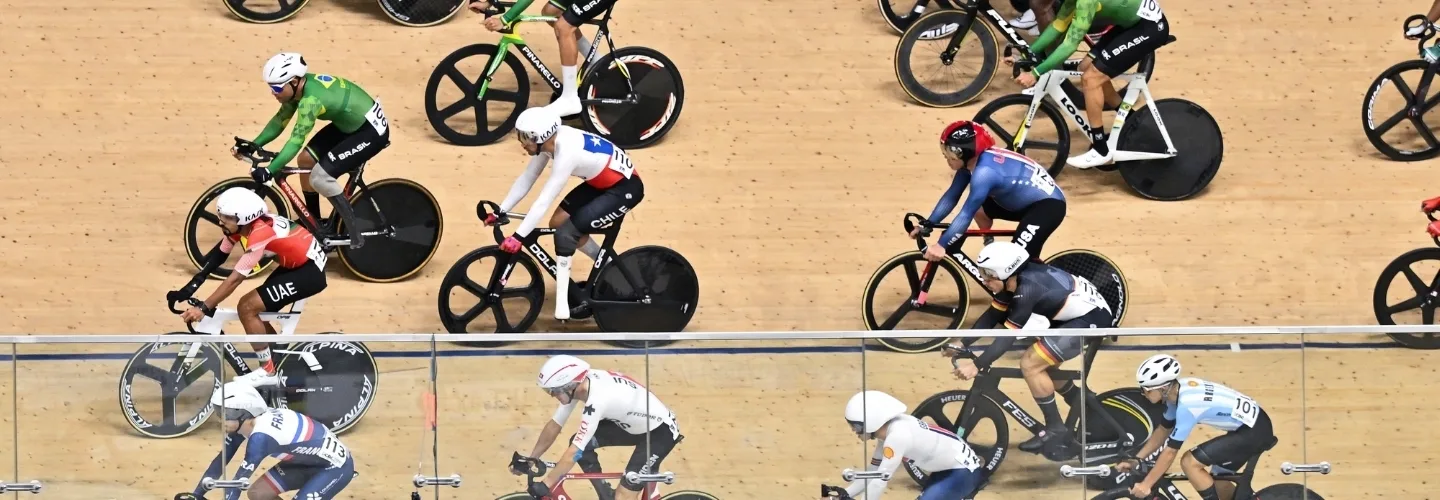
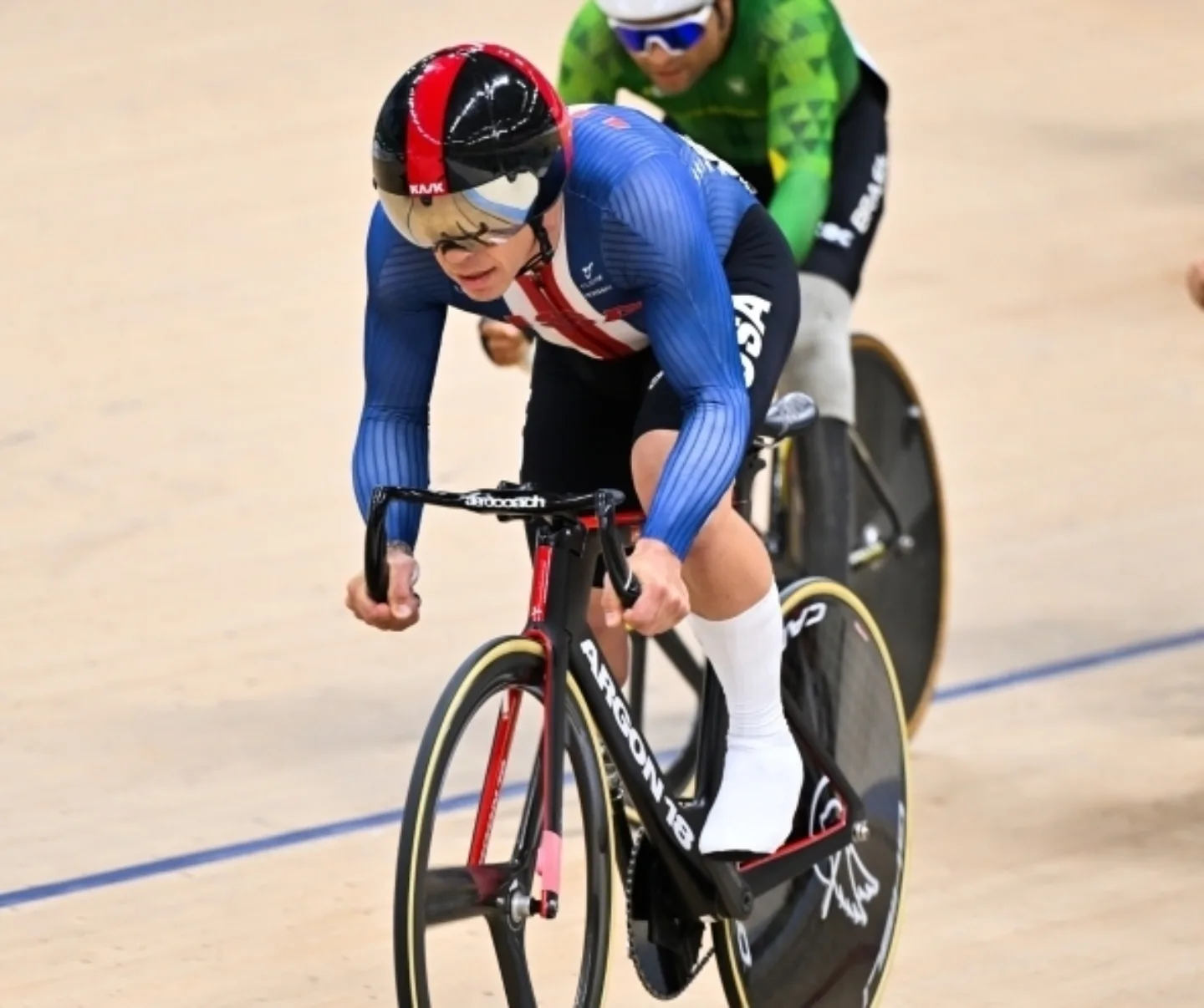
Paracycling track delivers fast-paced, high-intensity competition on a velodrome, which can vary in its length and degree of banking. These events demand a combination of raw power, speed, endurance, strategy, and split-second decision-making. Each event brings a unique test of athleticism, where races can be won by fractions of a second or perfectly timed tactical moves. Competitors ride fixed-gear bikes, which have a single gear and no brakes, requiring exceptional control, focus, and skill. Track cycling was officially added to the Paralympic Games in Atlanta 1996, twelve years after the debut of road cycling.
Scratch Race
All riders start together in this individual race over a set distance. It’s the most straightforward event in track cycling where the first person to cross the finish line wins. The race typically ends in a fast and furious bunch sprint.
Elimination Race
Also known as the “miss and out,” this race eliminates the last rider to cross the line every other lap, until only one rider remains. Tactics and positioning are critical; riders aim to stay near the front of the pack, but not necessarily at the very front, to conserve energy in the slipstream while avoiding elimination.
Individual Pursuit
In this event, two riders start from opposite sides of the track and compete to complete the race distance in the fastest time. If one rider catches the other, they are declared the winner.
Sprint
Riders face off in a fast and furious head-to-head race. The competition begins with a qualifying round in which each rider aims to set their fastest time over a flying 200 meters. The four fastest riders advance to best-of-three semi-finals. The winners of the semi-finals race for gold and silver, while the defeated riders compete for the bronze medal.
Team Sprint
The team sprint is contested over three laps of the track by two teams of three riders. All three riders start together, with the lead rider pulling off after the first lap and the second rider doing the same after the second lap. The final rider completes the last lap alone, and their time determines the team’s result.
1-Kilometer Time Trial
In the time trial, each rider begins from a standing start and races against the clock to complete two laps of the track as quickly as possible.
Impairment Groups
There are two different impairment groups for track cycling: Cycling and Tandem. Each group includes a range of classifications, from 1 (most impaired) to 5 (least impaired), based on functional ability.
Cycling (C1-5): For athletes with impaired range of movement or coordination impairments that ride standard two wheeled bicycles.
- Tandem (B1-3): For athletes with a vision impairment. Often referred to as the Stoker (visually impaired athlete) and Pilot (able-bodied partner).
Join The Team
Athletes with amputations, cerebral palsy, spinal cord injuries, traumatic brain injuries/stroke or visual impairments are all eligible to compete in paracycling. In order to compete, you must first be classified.

Get Involved
Join A Club or Team
Get Classified
- Official classifications are usually conducted at internationally sanctioned (UCI/IPC) events. However, preliminary classifications can be performed at the National Championships or an appointment is made to meet with an IPC qualified physician. At these preliminary meetings, a full medical history is required for review. To learn more about classification, click here.
Compete Locally
Prepare & Train
Compete Nationally
Compete Internationally
U.S. Velodromes
Check out your local velodrome to get started in their camps, clinics, races, and events.
| Velodrome | Location |
|---|---|
| Encino Velodrome | Encino, CA |
| Hellyer Park Velodrome | San Jose, CA |
| VELO Sports Center | Carson, CA |
| San Diego Velodrome | San Diego, CA |
| Jerry Baker Memorial Velodrome | Redmond, WA |
| Tucson Velodrome | Tucson, AZ |
| Olympic Training Center Velodrome | Colorado Springs, CO |
| Boulder Valley Velodrome | Erie, CO |
| Alkek Velodrome | Houston, TX |
| Ed Rudolph Velodrome | Northbrook, IL |
| Lexus Velodrome | Detroit, MI |
| International Velodrome at Bloomer Park | Rochester Hills, MI |
| Penrose Park Velodrome | St. Louis, MO |
| Washington Park Velodrome | Kenosha, WI |
| Major Taylor Velodrome | Indianapolis, IN |
| Cleveland Velodrome | Cleveland, OH |
| Brian Picolo Park Velodrome | Cooper City, FL |
| Dick Lane Velodrome | East Point, GA |
| Giordana Velodrome | Rock Hill, SC |
| Asheville Mellowdrome | Asheville, NC |
| Valley Preferred Cycling Center | Trexlertown, PA |
| Kissena Velodrome | Queens, NY |
| Northeast Velodrome & Cycling Park | Londonberry, NH |
Talent ID Camps
USA Cycling will host several Para Cycling Talent ID Camps in 2026 at the following locations on the dates listed. Before applying for these camps, please review the Paralympic Cycling eligible impairment groups: https://usacycling.org/team-usa/paracycling-classifications
June 23-25, 2026: Major Taylor Velodrome | Indianapolis, IN
This camp will provide an introduction into paracycling track racing as well as certification to race and train on tracks throughout the U.S. This camp has the additional purpose of feeding athletes directly into racing situations at the Major Taylor Gran Prix on June 26 - 28. This camp is open to C & B class athletes only. To be considered for this camp, you will need to be registered to race at the Major Taylor Gran Prix.
All room and board will be covered for the camp sessions (June 23-25) by USA Cycling at the event hotel (racing accommodations are not covered). Athletes would be responsible for covering their travel to Indianapolis for camp. Athletes will need to arrive at the hotel by 4 pm on June 22 for a camp meeting that evening.
July 19-22, 2026: Olympic & Paralympic Training Center | Colorado Springs, CO
This camp will be covering road and track racing for all 13 competition classes (H, T, C, & B). There will be sessions on the road, on the velodrome, and in the classroom. Athletes are required to provide their own bike for on road training sessions (no time trial bikes please).
All room and board will be covered by USA Cycling at the Colorado Springs Olympic & Paralympic Training Center. Athletes will be responsible for covering their travel to Colorado Springs for camp. Athletes will need to arrive into Colorado Springs by 4 pm on July 18 for a camp meeting that evening, and will depart on July 23.
September 21-24, 2026: Olympic & Paralympic Training Center | Colorado Springs, CO
This camp will be covering road and track racing for all 13 competition classes (H, T, C, & B). There will be sessions on the road, on the velodrome, and in the classroom. Athletes are required to provide their own bike for on road training sessions (no time trial bikes please).
All room and board will be covered by USA Cycling at the Colorado Springs Olympic & Paralympic Training Center. Athletes will be responsible for covering their travel to Colorado Springs for camp. Athletes will need to arrive into Colorado Springs by 4 pm on September 20 for a camp meeting that evening, and will depart on September 25.
APPLICATION FORM FOR ALL CAMPS
Please contact Mike Durner at mdurner@usacycling.org with any questions.
What is the National Team Designation?
USA Cycling is responsible for supporting and guiding athletes capable of winning Olympic & Paralympic medals, while also identifying, recruiting and developing future Games athletes. Our vision is to be amongst the very best in the world at talent identification, athlete development, management and preparation in all cycling disciplines. The National Team Designation is considered a critical means for achieving this vision. The support provided through the program seeks to offset some of the expenses associated with preparing for and participating in international sport. The program aims to support and assist athletes with the greatest potential to win medals at the Olympic & Paralympic Games and World Championships.
To learn more about the National Team Designation Criteria and Support, click here.
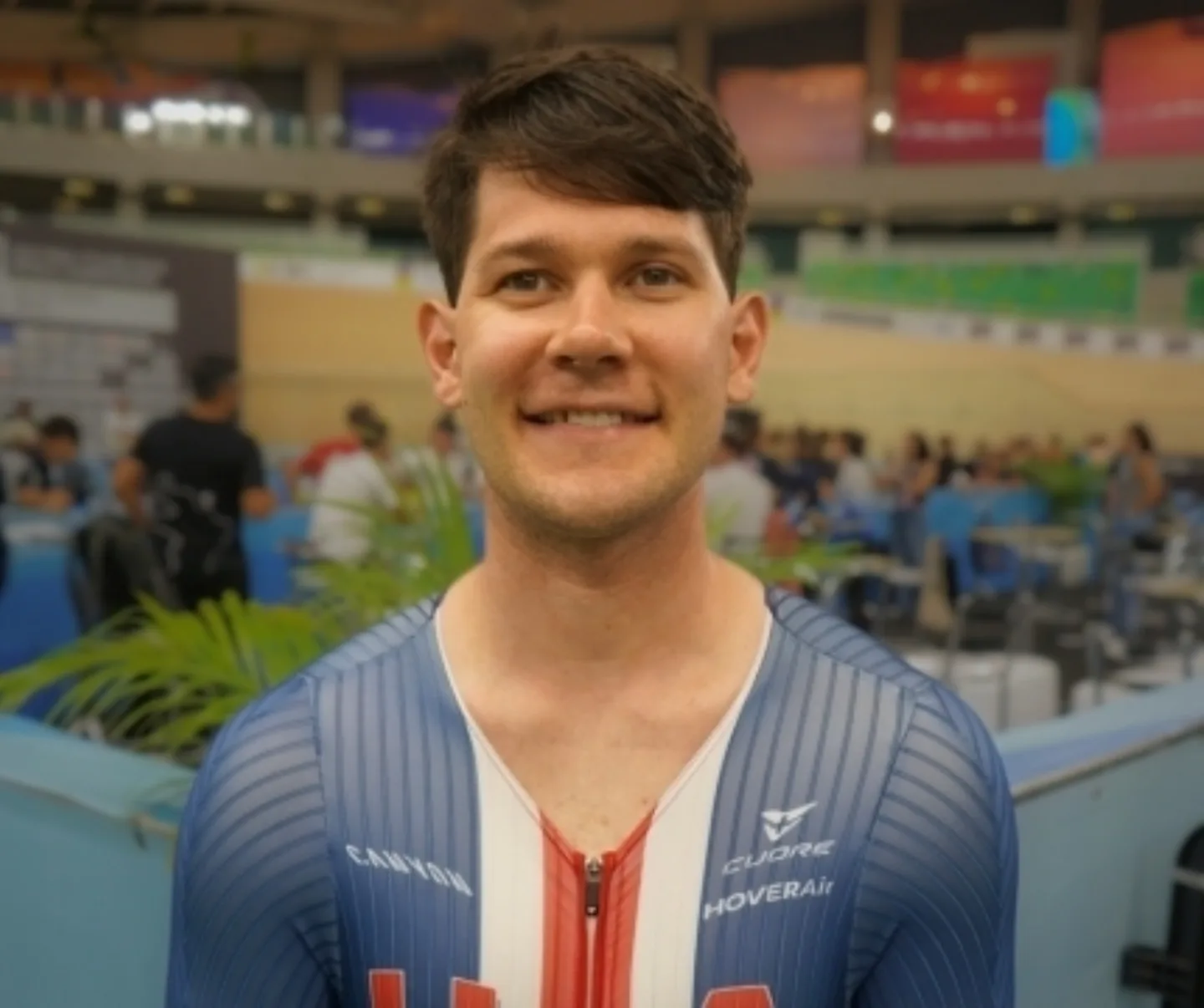
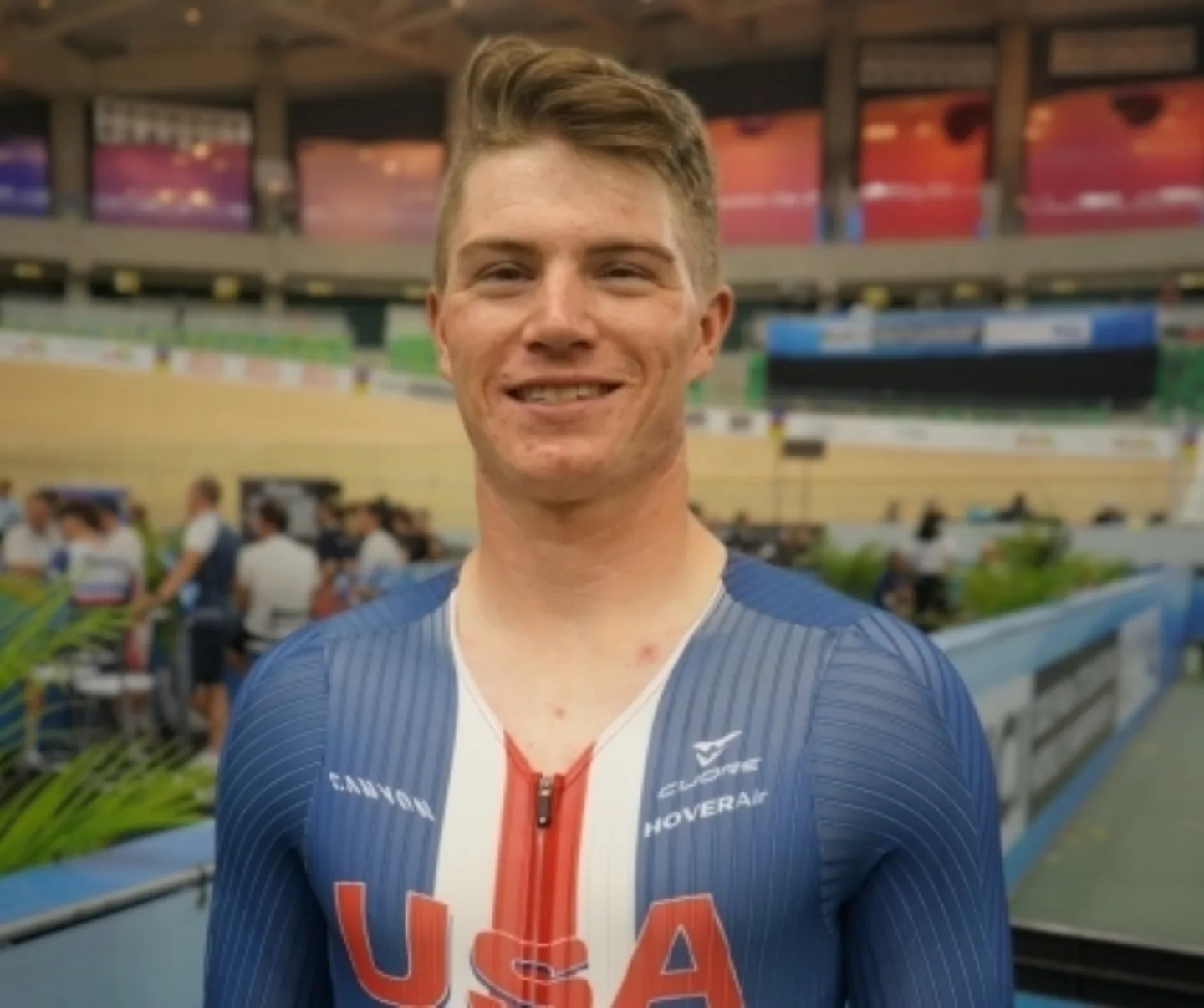
MEET THE TEAM
UCI Pan American Paracycling Track Continental Championships
February 25-27, 2026
Indaiatuba, Brazil
Paracycling Track World Championships
October 29-November 1, 2026
Apeldoorn, Netherlands
For the most up-to-date information, please visit: UCI Para-Cycling Track World Championships
About Paracycling Track
Paracycling track delivers fast-paced, high-intensity competition on a velodrome, which can vary in its length and degree of banking. These events demand a combination of raw power, speed, endurance, strategy, and split-second decision-making. Each event brings a unique test of athleticism, where races can be won by fractions of a second or perfectly timed tactical moves. Competitors ride fixed-gear bikes, which have a single gear and no brakes, requiring exceptional control, focus, and skill. Track cycling was officially added to the Paralympic Games in Atlanta 1996, twelve years after the debut of road cycling.
Scratch Race
All riders start together in this individual race over a set distance. It’s the most straightforward event in track cycling where the first person to cross the finish line wins. The race typically ends in a fast and furious bunch sprint.
Elimination Race
Also known as the “miss and out,” this race eliminates the last rider to cross the line every other lap, until only one rider remains. Tactics and positioning are critical; riders aim to stay near the front of the pack, but not necessarily at the very front, to conserve energy in the slipstream while avoiding elimination.
Individual Pursuit
In this event, two riders start from opposite sides of the track and compete to complete the race distance in the fastest time. If one rider catches the other, they are declared the winner.
Sprint
Riders face off in a fast and furious head-to-head race. The competition begins with a qualifying round in which each rider aims to set their fastest time over a flying 200 meters. The four fastest riders advance to best-of-three semi-finals. The winners of the semi-finals race for gold and silver, while the defeated riders compete for the bronze medal.
Team Sprint
The team sprint is contested over three laps of the track by two teams of three riders. All three riders start together, with the lead rider pulling off after the first lap and the second rider doing the same after the second lap. The final rider completes the last lap alone, and their time determines the team’s result.
1-Kilometer Time Trial
In the time trial, each rider begins from a standing start and races against the clock to complete two laps of the track as quickly as possible.
Impairment Groups
There are two different impairment groups for track cycling: Cycling and Tandem. Each group includes a range of classifications, from 1 (most impaired) to 5 (least impaired), based on functional ability.
Cycling (C1-5): For athletes with impaired range of movement or coordination impairments that ride standard two wheeled bicycles.
- Tandem (B1-3): For athletes with a vision impairment. Often referred to as the Stoker (visually impaired athlete) and Pilot (able-bodied partner).
Join The Team
Athletes with amputations, cerebral palsy, spinal cord injuries, traumatic brain injuries/stroke or visual impairments are all eligible to compete in paracycling. In order to compete, you must first be classified.
Get Involved
Join A Club or Team
Get Classified
- Official classifications are usually conducted at internationally sanctioned (UCI/IPC) events. However, preliminary classifications can be performed at the National Championships or an appointment is made to meet with an IPC qualified physician. At these preliminary meetings, a full medical history is required for review. To learn more about classification, click here.
Compete Locally
Prepare & Train
Compete Nationally
Compete Internationally
U.S. Velodromes
Check out your local velodrome to get started in their camps, clinics, races, and events.
| Velodrome | Location |
|---|---|
| Encino Velodrome | Encino, CA |
| Hellyer Park Velodrome | San Jose, CA |
| VELO Sports Center | Carson, CA |
| San Diego Velodrome | San Diego, CA |
| Jerry Baker Memorial Velodrome | Redmond, WA |
| Tucson Velodrome | Tucson, AZ |
| Olympic Training Center Velodrome | Colorado Springs, CO |
| Boulder Valley Velodrome | Erie, CO |
| Alkek Velodrome | Houston, TX |
| Ed Rudolph Velodrome | Northbrook, IL |
| Lexus Velodrome | Detroit, MI |
| International Velodrome at Bloomer Park | Rochester Hills, MI |
| Penrose Park Velodrome | St. Louis, MO |
| Washington Park Velodrome | Kenosha, WI |
| Major Taylor Velodrome | Indianapolis, IN |
| Cleveland Velodrome | Cleveland, OH |
| Brian Picolo Park Velodrome | Cooper City, FL |
| Dick Lane Velodrome | East Point, GA |
| Giordana Velodrome | Rock Hill, SC |
| Asheville Mellowdrome | Asheville, NC |
| Valley Preferred Cycling Center | Trexlertown, PA |
| Kissena Velodrome | Queens, NY |
| Northeast Velodrome & Cycling Park | Londonberry, NH |
Talent ID Camps
USA Cycling will host several Para Cycling Talent ID Camps in 2026 at the following locations on the dates listed. Before applying for these camps, please review the Paralympic Cycling eligible impairment groups: https://usacycling.org/team-usa/paracycling-classifications
June 23-25, 2026: Major Taylor Velodrome | Indianapolis, IN
This camp will provide an introduction into paracycling track racing as well as certification to race and train on tracks throughout the U.S. This camp has the additional purpose of feeding athletes directly into racing situations at the Major Taylor Gran Prix on June 26 - 28. This camp is open to C & B class athletes only. To be considered for this camp, you will need to be registered to race at the Major Taylor Gran Prix.
All room and board will be covered for the camp sessions (June 23-25) by USA Cycling at the event hotel (racing accommodations are not covered). Athletes would be responsible for covering their travel to Indianapolis for camp. Athletes will need to arrive at the hotel by 4 pm on June 22 for a camp meeting that evening.
July 19-22, 2026: Olympic & Paralympic Training Center | Colorado Springs, CO
This camp will be covering road and track racing for all 13 competition classes (H, T, C, & B). There will be sessions on the road, on the velodrome, and in the classroom. Athletes are required to provide their own bike for on road training sessions (no time trial bikes please).
All room and board will be covered by USA Cycling at the Colorado Springs Olympic & Paralympic Training Center. Athletes will be responsible for covering their travel to Colorado Springs for camp. Athletes will need to arrive into Colorado Springs by 4 pm on July 18 for a camp meeting that evening, and will depart on July 23.
September 21-24, 2026: Olympic & Paralympic Training Center | Colorado Springs, CO
This camp will be covering road and track racing for all 13 competition classes (H, T, C, & B). There will be sessions on the road, on the velodrome, and in the classroom. Athletes are required to provide their own bike for on road training sessions (no time trial bikes please).
All room and board will be covered by USA Cycling at the Colorado Springs Olympic & Paralympic Training Center. Athletes will be responsible for covering their travel to Colorado Springs for camp. Athletes will need to arrive into Colorado Springs by 4 pm on September 20 for a camp meeting that evening, and will depart on September 25.
APPLICATION FORM FOR ALL CAMPS
Please contact Mike Durner at mdurner@usacycling.org with any questions.
What is the National Team Designation?
USA Cycling is responsible for supporting and guiding athletes capable of winning Olympic & Paralympic medals, while also identifying, recruiting and developing future Games athletes. Our vision is to be amongst the very best in the world at talent identification, athlete development, management and preparation in all cycling disciplines. The National Team Designation is considered a critical means for achieving this vision. The support provided through the program seeks to offset some of the expenses associated with preparing for and participating in international sport. The program aims to support and assist athletes with the greatest potential to win medals at the Olympic & Paralympic Games and World Championships.
To learn more about the National Team Designation Criteria and Support, click here.
MEET THE TEAM
UCI Pan American Paracycling Track Continental Championships
February 25-27, 2026
Indaiatuba, Brazil
Paracycling Track World Championships
October 29-November 1, 2026
Apeldoorn, Netherlands
For the most up-to-date information, please visit: UCI Para-Cycling Track World Championships
MEET THE STAFF
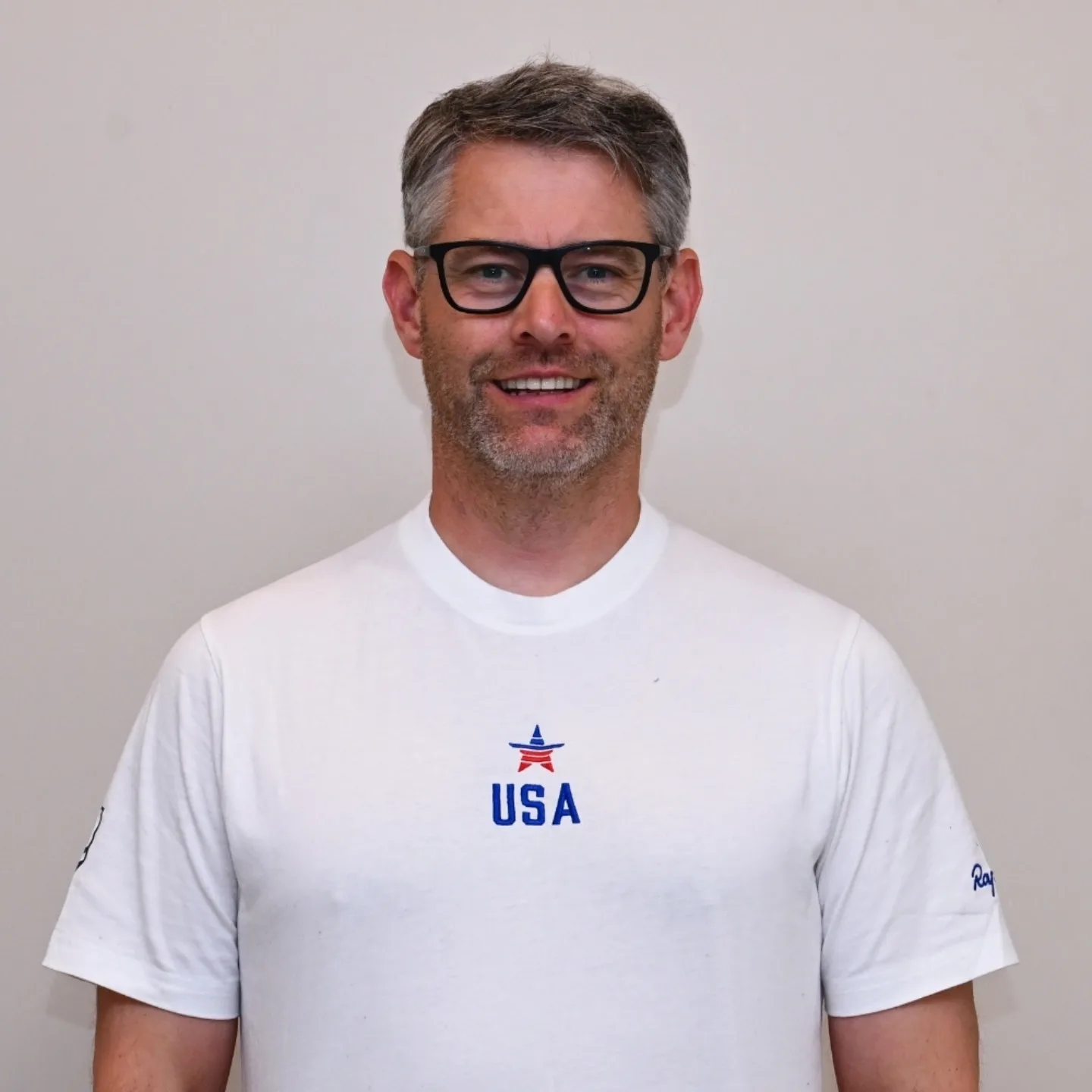
Chris
Furber
Background
Chris Furber leads all Paracycling operations for USA Cycling, bringing a deep and proven record of success across multiple Paralympic sports. His career includes serving as Performance Director for Paddle UK (Paracanoe and Canoe Sprint) and UK Para Swimming, as well as Head Coach for British Cycling’s Para-Cycling program. Across these roles, Furber guided teams through five Paralympic Games, including the home Games in London in 2012, and 17 World Championships. Earlier in his tenure with British Cycling, he also contributed as a Talent Identification Coach and held administrative roles supporting the Mountain Bike and BMX programs, giving him a broad, systems-level perspective on athlete development and high-performance pathways.
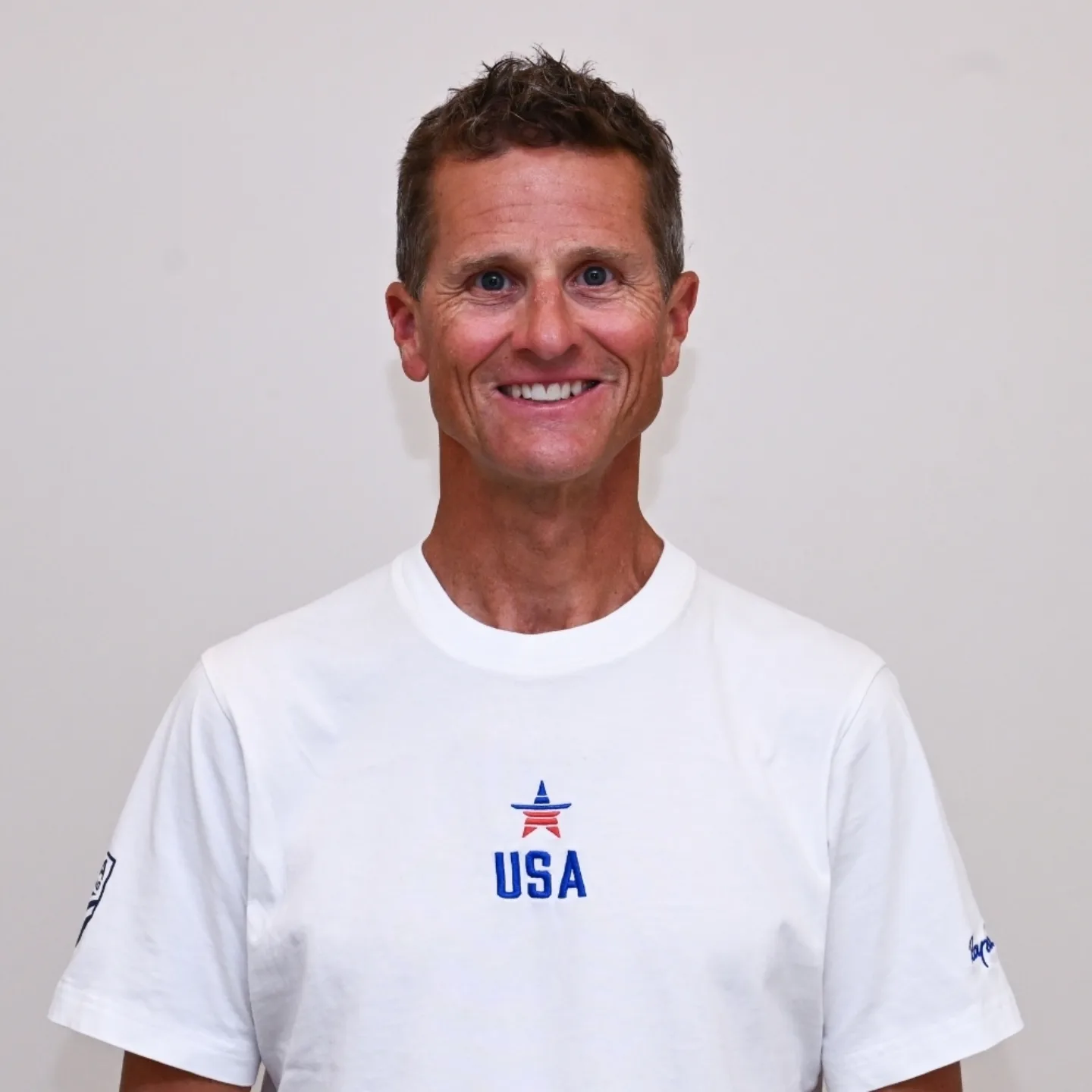
Jim
Lehman
Background
With over 22 years of experience in para-cycling, Lehman brings a wealth of knowledge and expertise to USA Cycling. He has led Team USA at five Paralympic Games, 13 World Championships and is a 7-time recipient of the Order of Ikkos medal. Lehman earned his undergraduate degree in Psychology from Villanova University, and his graduate degree in Exercise Science from Northern Arizona University.
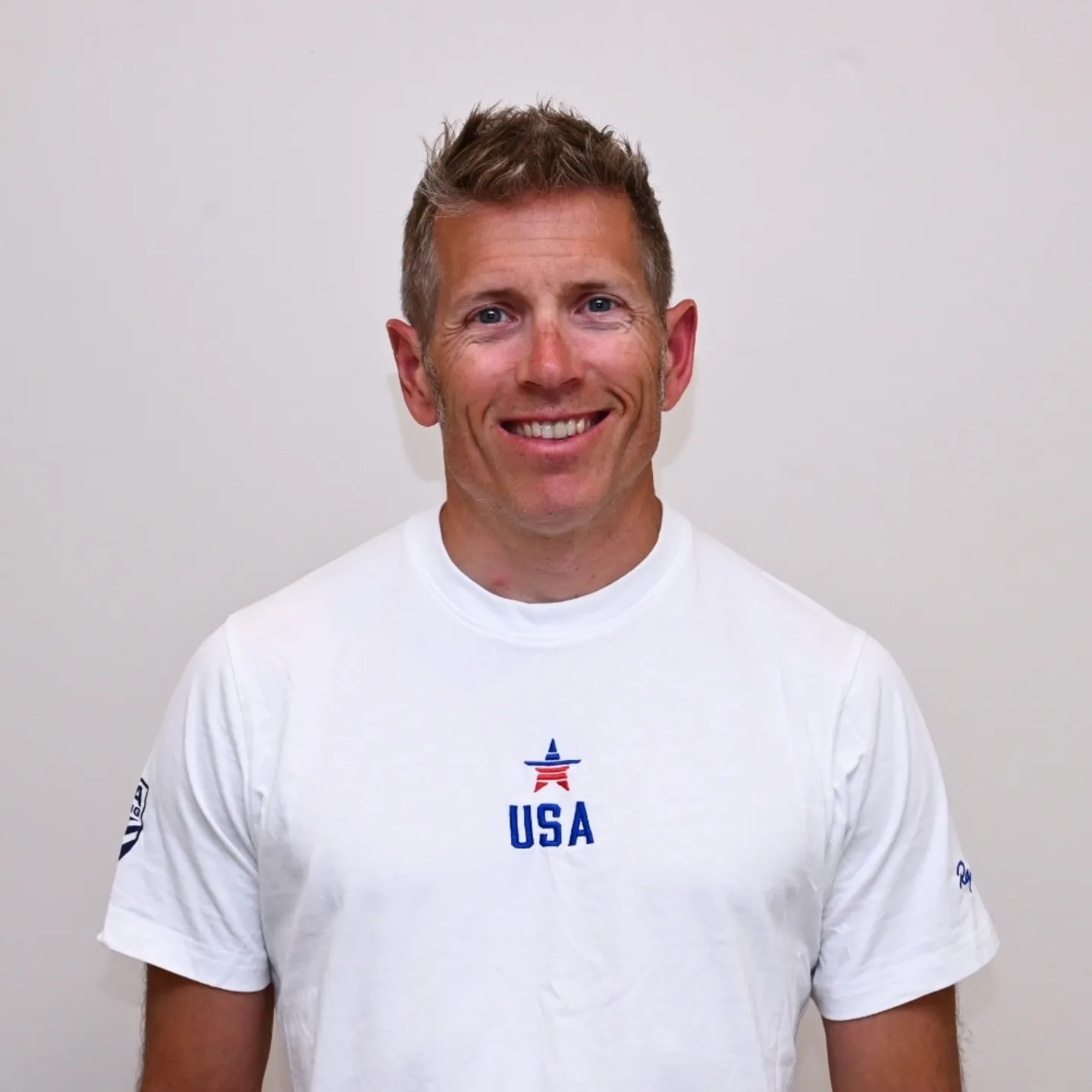
Mike
Durner
Background
Mike is a USAC Level 1 Coach and NSCA Certified Strength & Conditioning Coach, who started racing mountain bikes at age 13 and raced on the NORBA circuit while in high school. Following high school, he went on to study exercise science at the University of Northern Colorado and then spent four years serving as an officer in the U.S. Army. Following his time in the Army, Mike pursued a Master’s degree in Exercise Physiology at Kansas State University. He began coaching in 2006 and started working with the previous iteration of the Para Cycling National Team in 2010. From 2010 through 2015 he worked full time for the National Team, covering road and track athletes and events. From 2017 through 2025, Mike was a part time National Team Coach for Para Cycling with more road focus. During this time, he also formed and grew his own coaching business. He has earned the privilege of coaching at 3 Paralympic Games and is eager to contribute to the formation of a successful team for LA28.
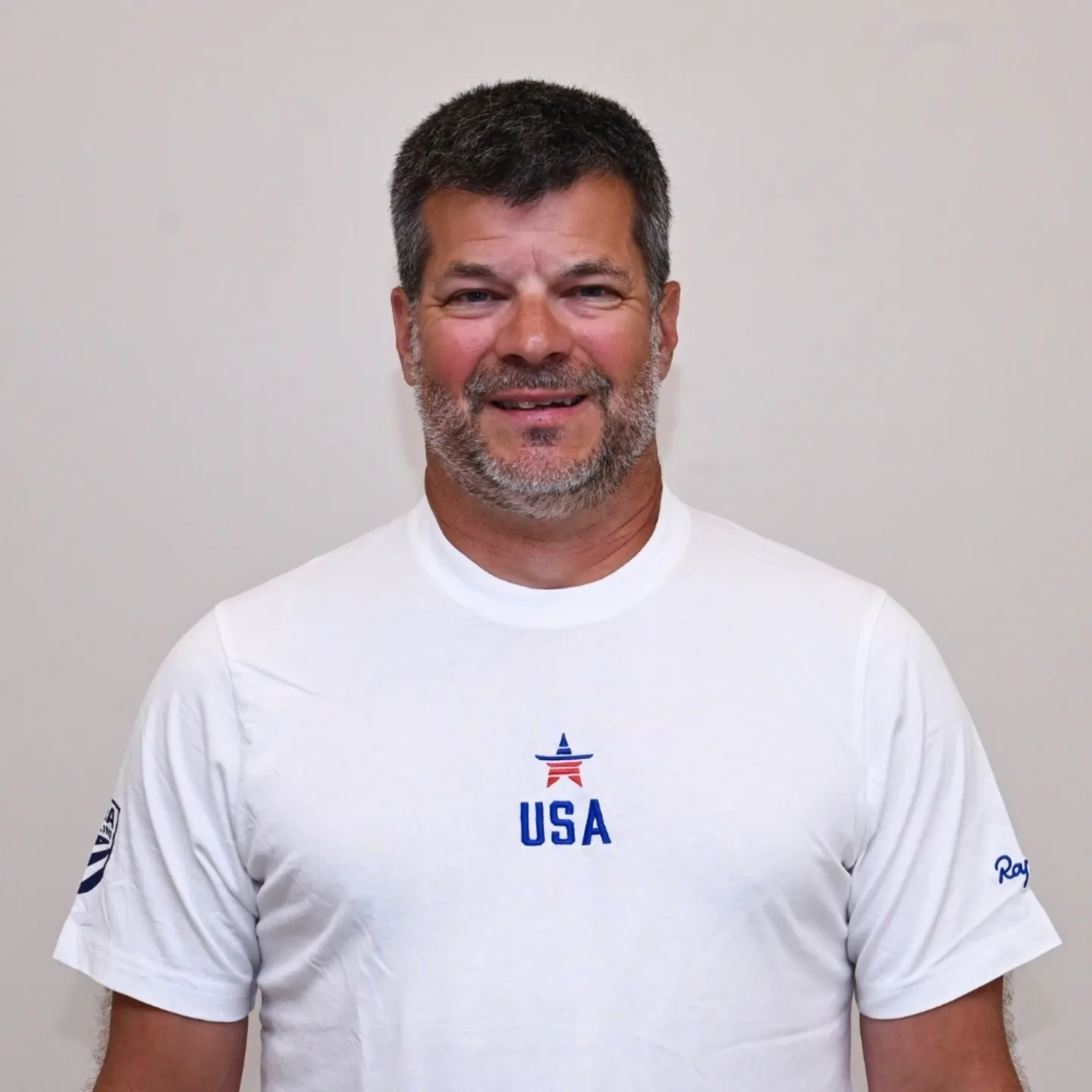
Steve
Donovan
Background
Steve brings more than 40 years of experience in the cycling industry, with roles ranging from shop service manager to professional mechanic for elite mountain bike, road, cyclocross, and adaptive mountain bike teams. He has also worked neutral support at UCI road events and is a licensed USA Cycling Category 1 Race Mechanic. Steve began working with Para-Cycling in 2002 as a contractor and has remained involved through the program’s evolution, joining full-time in 2022. As Head Mechanic for Road and Track, he oversees athlete equipment, fleet and inventory management, logistics, and product innovation projects. When not traveling to camps and competitions, he works closely with resident athletes at the U.S. Olympic & Paralympic Training Center and the Colorado Springs Velodrome. His experience includes four Paralympic Games, two Parapan American Games, dozens of World Cups, and more than 20 UCI Para-Cycling World Championships across road and track disciplines.
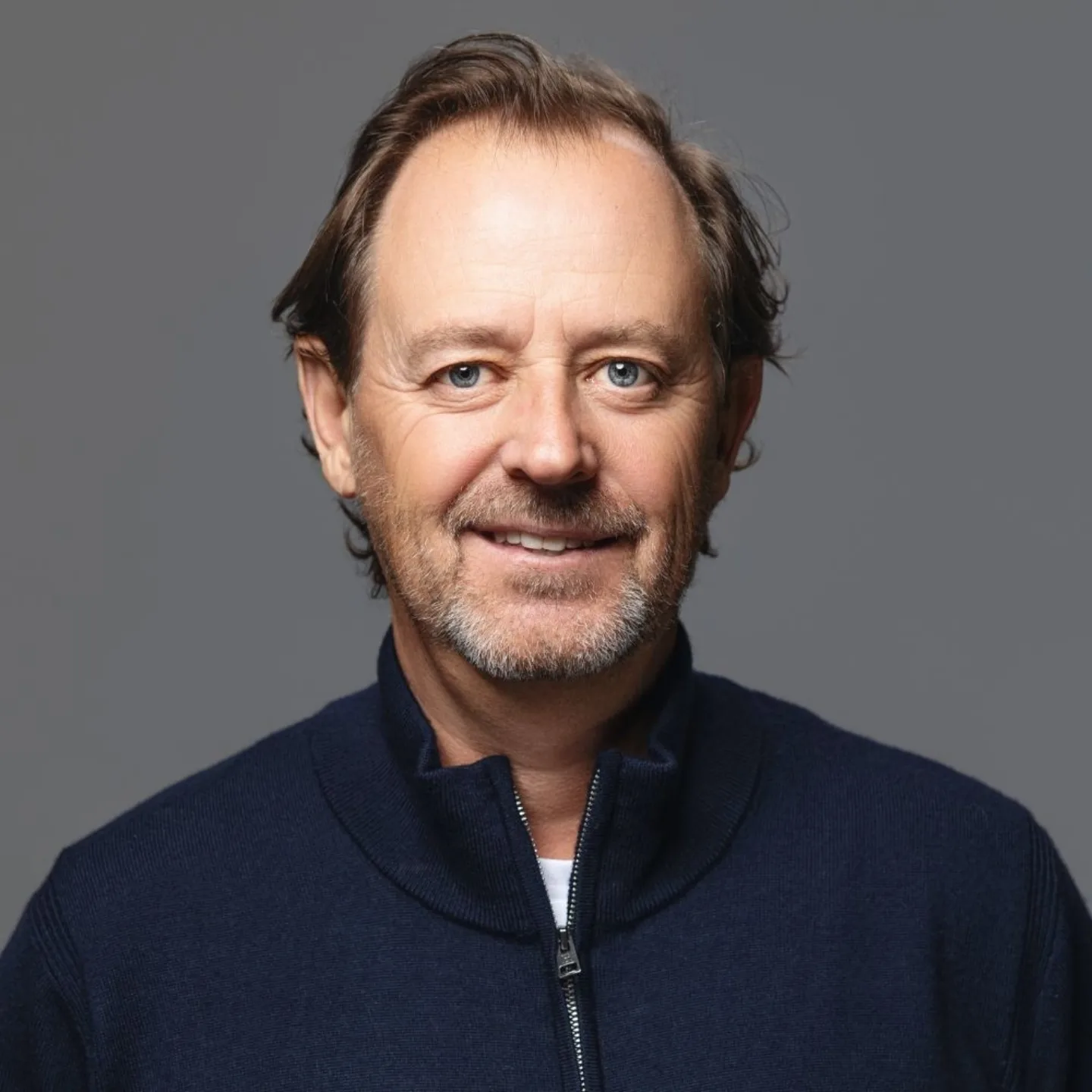
Jim
Miller
Background
A successful professional cyclist in his own right, Jim coached several cyclists on the side and eventually retired from racing in 1999 to focus solely on his flourishing coaching career. After developing several notable cyclists, he originally came to USA Cycling to run the women’s road program in 2002. After earning Coach of the Year distinctions from the U.S. Olympic & Paralympic Committee in 2003 & 2004, Jim was promoted to director of endurance programs, overseeing the development of American junior, U23, and women endurance athletes in road and track cycling. After making significant strides toward the USA Cycling National Development Program’s goal of developing the next generation of American cyclists, he was named Vice President of Athletics in 2010. In 2017, Jim left USA Cycling to become the Vice President of Business Development for Training Peaks. Unable to resist the Olympic call, he returned to USA Cycling in 2020 as the Chief of Sport Performance. He has earned the International Olympic Committee’s highest honor for coaches, the Order of Ikkos, three times, all for coaching 3-time Olympic Champion Kristen Armstrong to victory.